AI Agents for Entrepreneurs - First Lessons
So far it seems that automating existing roles/processes gives a better chance of a successful agent rollout than these mythical new wishes.
Longreads from the desk: what we build, what it costs to run, and what the machines are actually doing between one case and the next.
So far it seems that automating existing roles/processes gives a better chance of a successful agent rollout than these mythical new wishes.
What AI agents can borrow from living nature besides ants. By default, an agent needs nothing. The job of a smart agent is to synchronize rhythms.
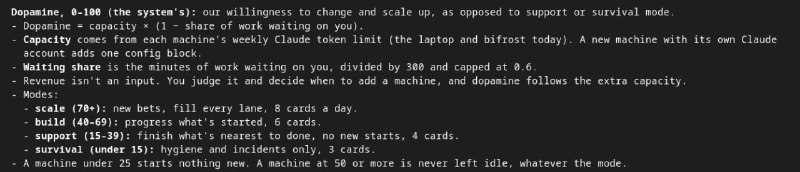
Anthropic published an article on building always-on agents. All good, except the definition. A lot of what I have is built around one Claude Code session.
Some builds need more memory than your machine has. Now Claude Code can borrow a bigger machine for the job: 3 cores and 6 GB, deleted when it is done.
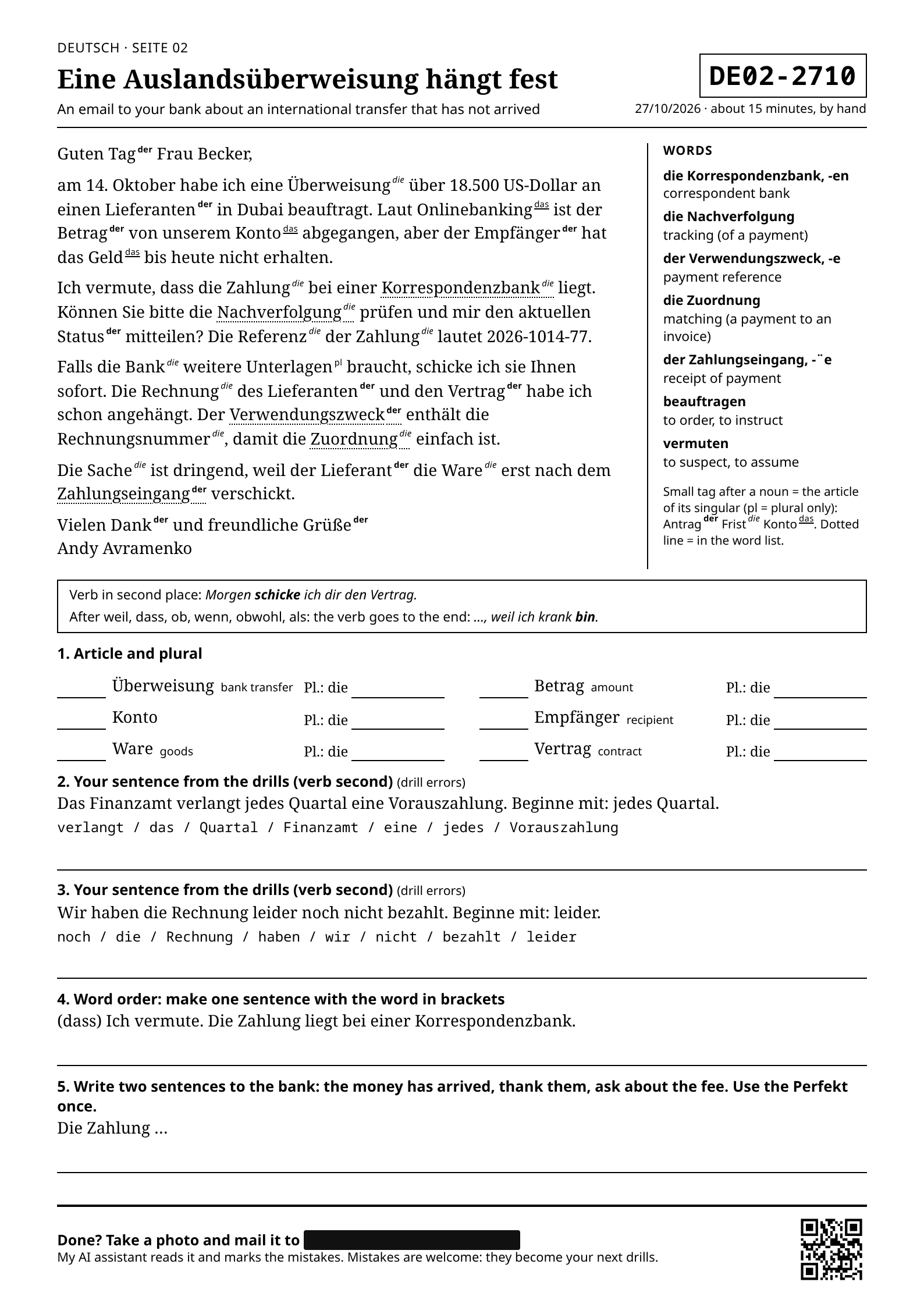
Voice is not the only alternative to a monitor and keyboard. Claude makes a PDF of the morning mistakes and sends it to the printer. I fill it in by pen.
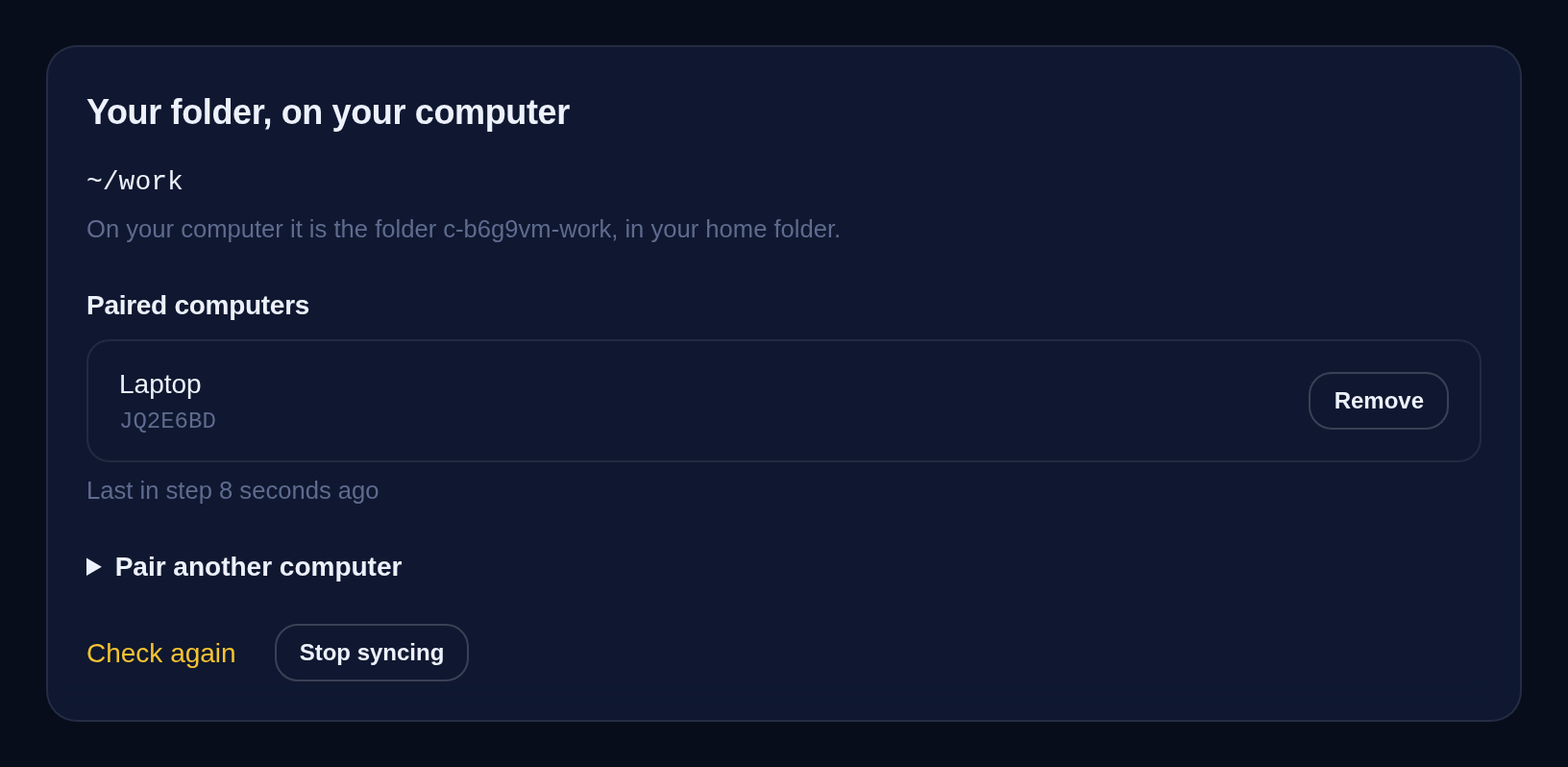
Your agent works on a server and you work on a laptop. One shared folder brings its reports to you and your files to it, in seconds.
File of the day
Protect your files and money: Claude Code finds your apps hackers are breaking in through now and says what to update.
File of the day
Keep access to your services and out of the hands of thieves: Claude Code stores your passwords in the Keychain, not in notes.
File of the day
Leave Claude Code with a task and it no longer waits an hour at a permission question: the step that needs your yes is skipped, the rest gets done.
File of the day
Claude Code calls a task done only after it has looked at the result itself and tells you what it saw. A success message from a script no longer counts.
Your own Linux machine with Claude Code on it, working around the clock while your laptop is shut. From $3.49 a month.